Introduction
Healthcare Technology Trends is changing faster than ever before. Hospitals, clinics, laboratories, and healthcare professionals are now using advanced technologies to diagnose diseases, treat patients, and improve medical education. For students after 12th who are planning a career in healthcare, understanding these changes is extremely important.
In 2026, technologies such as Artificial Intelligence (AI), medicine, wearable health devices, smart hospitals, robotics, and digital health records are shaping the future of medicine. These innovations are not only improving patient care but also creating exciting career opportunities for students in healthcare and paramedical fields.
NIPS Future Skills offers career-oriented healthcare and paramedical courses such as B.Voc in Optometry, B.Voc in Medical Laboratory Technology, B.Voc in Radiology, B.Voc in Operation Theater Technology, Bachelor of Physiotherapy, and GNM Nursing that help students prepare for the future healthcare industry.
Let’s explore the top 10 healthcare technology trends shaping the future of medicine in 2026.
1.Artificial Intelligence (AI) in Healthcare
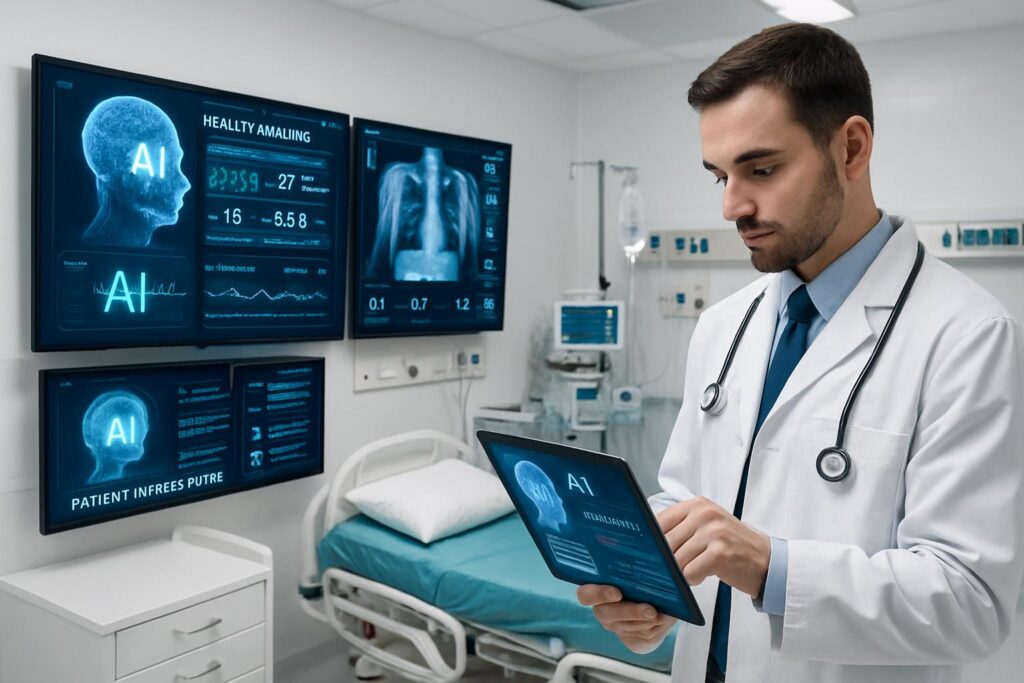
Artificial Intelligence (AI) is one of the biggest healthcare technology trends in 2026. AI helps doctors analyze medical images, detect diseases early, and recommend treatment plans.
How AI is used:
- Detecting cancer from scans
- Analyzing X-rays and MRI images
- Predicting patient risks
- Assisting doctors with diagnosis
Why students should know this:
Students studying Radiology, Medical Laboratory Technology, and Optometry will increasingly work with AI-powered tools in hospitals and diagnostic centers.
At NIPS Future Skills, students are introduced to modern healthcare technologies that are becoming essential in the medical field.
2. Telemedicine and Virtual Healthcare
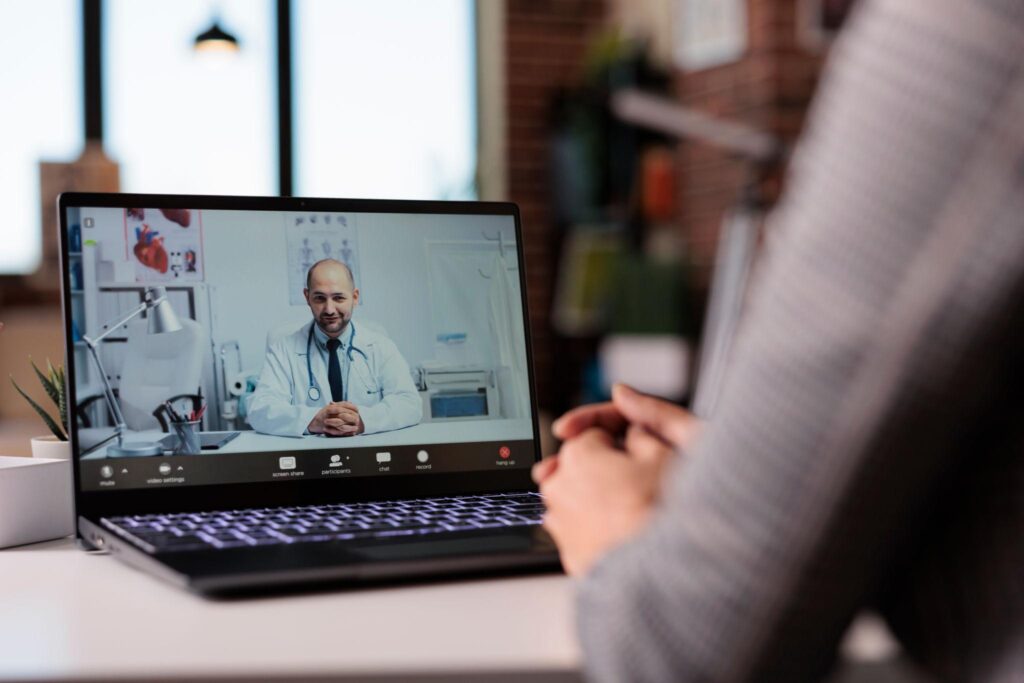
Telemedicine allows patients to consult doctors through video calls and online platforms. This technology became popular during the pandemic and continues to grow in 2026.
Benefits:
- Easy access to doctors
- Saves travel time
- Useful for rural areas
- Faster medical consultation
Career relevance:
Healthcare professionals now need digital communication skills. Students pursuing healthcare courses after 12th should understand how virtual healthcare works.
3.Wearable Health Devices
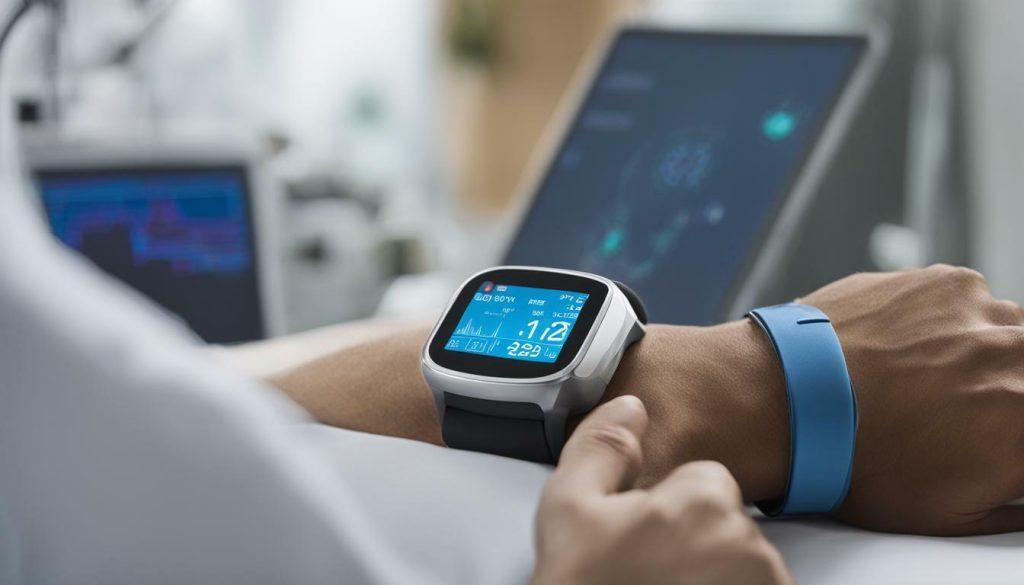
Wearable devices such as smartwatches and fitness trackers can monitor:
- Heart rate
- Blood oxygen levels
- Sleep patterns
- Physical activity
These devices help people track their health in real time and share data with doctors.
Why it matters:
Wearable technology is making healthcare more preventive rather than reactive.
4.Smart Hospitals
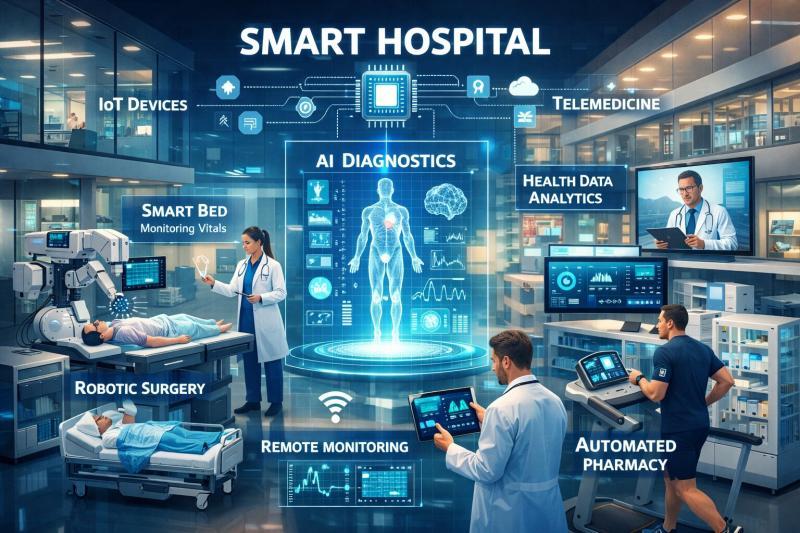
Smart hospitals use connected systems, sensors, digital records, and automation to improve patient care.
Features of smart hospitals:
- Digital patient records
- Automated patient monitoring
- Smart beds
- Electronic prescriptions
- Real-time data sharing
Future healthcare professionals will work in technology-driven hospital environments.
NIPS Future Skills prepares students through practical training and exposure to modern healthcare systems.
5.Robotic-Assisted Surgery
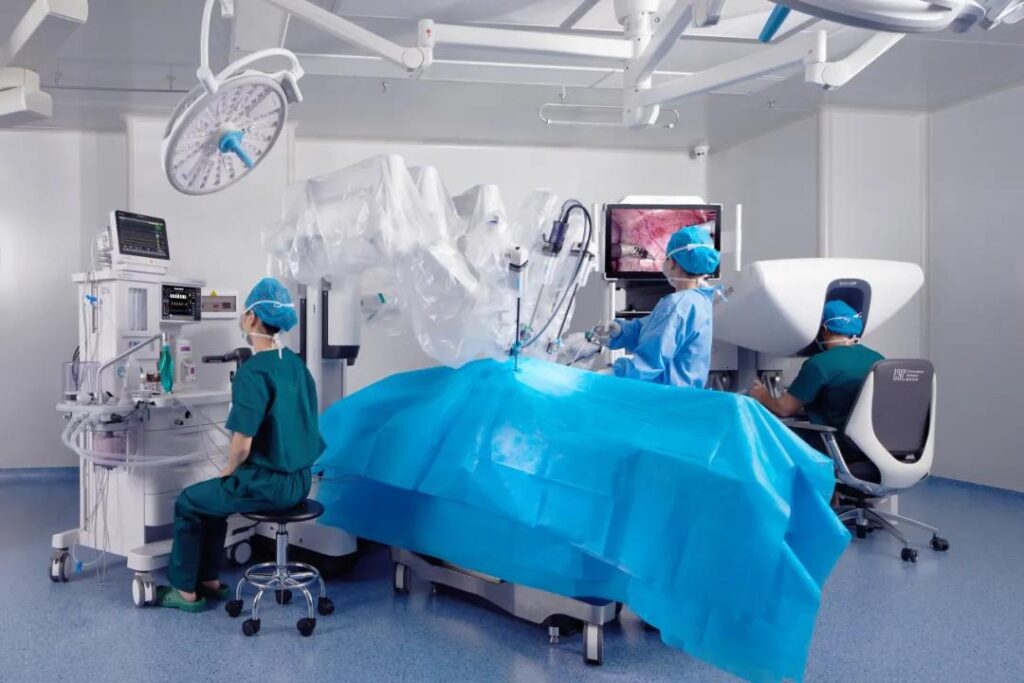
Robotic-assisted surgery allows surgeons to perform complex procedures with greater precision.
Advantages:
- Smaller incisions
- Less pain
- Faster recovery
- Improved accuracy
Relevant courses:
Students in Operation Theater Technology can benefit from understanding modern surgical technologies.
6.Precision Medicine and Genomics
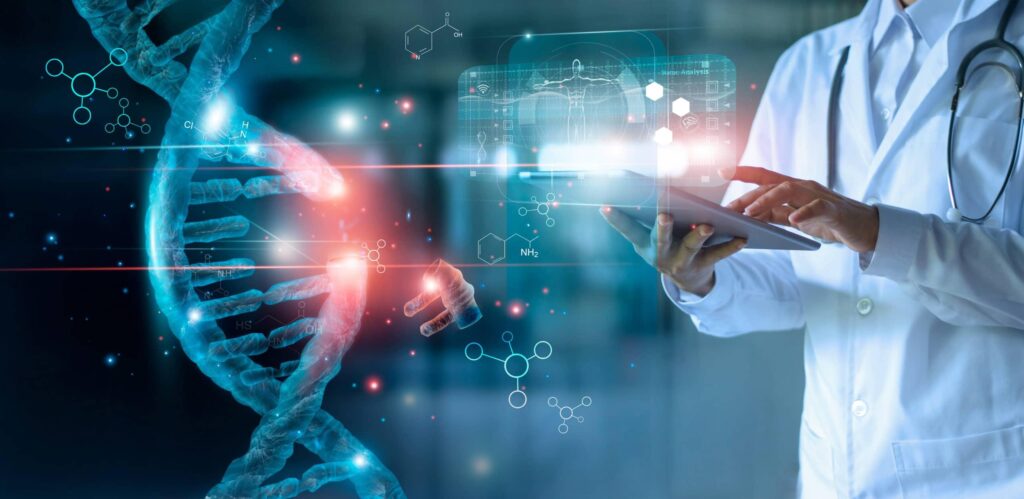
Precision medicine provides treatment based on an individual’s genes, lifestyle, and medical history.
Example:
Instead of giving the same treatment to every patient, doctors can choose a treatment that is more suitable for a specific person.
Future impact:
This trend is expected to improve treatment success rates.
7.Internet of Medical Things (IoMT)
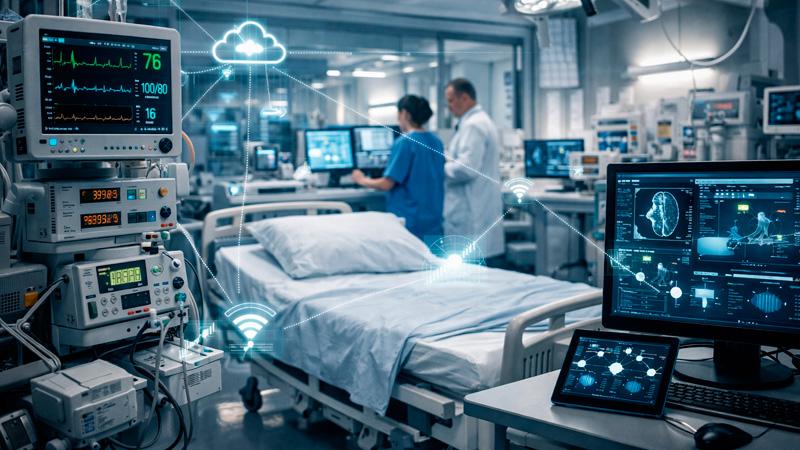
IoMT refers to connected medical devices that share data over the internet.
Examples:
- Smart glucose monitors
- Connected ECG devices
- Remote patient monitoring systems
- Smart hospital equipment
- Healthcare Technology Trends.
Why it is important:
Doctors can monitor patients remotely and respond quickly if health conditions change.
8. 3D Printing in Healthcare
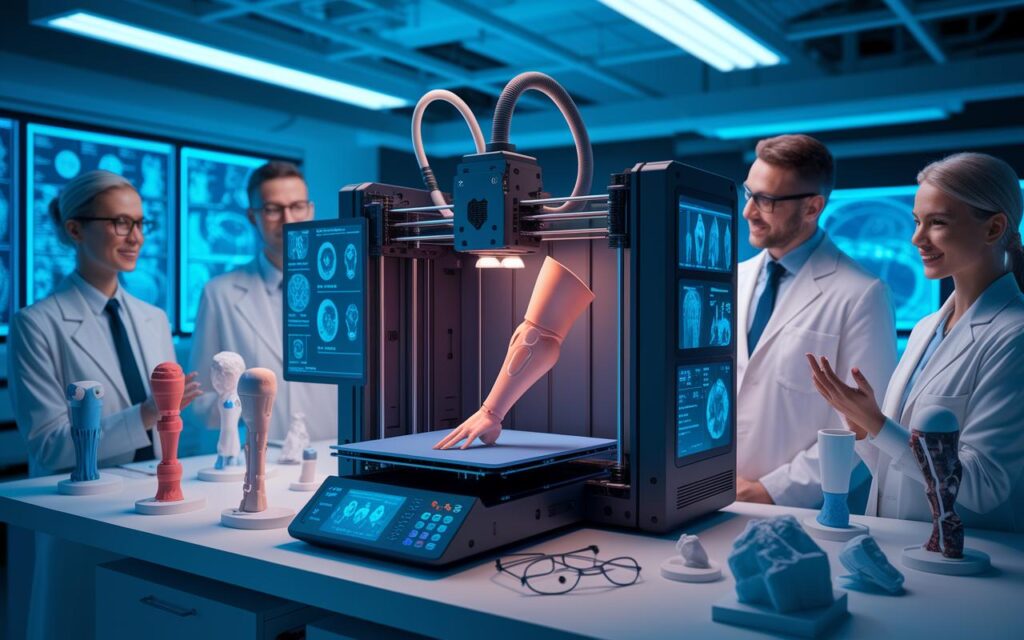
3D printing is being used to create:
- Prosthetic limbs
- Dental implants
- Surgical models
- Customized medical devices
This technology is making healthcare more personalized and affordable.
9. Virtual Reality (VR) and Augmented Reality (AR) in Medical Training

VR and AR are transforming medical education.
Students can:
- Practice procedures safely
- Explore human anatomy in 3D
- Improve clinical skills
- Learn through simulations
Why this is exciting for students:
Modern healthcare education is becoming more interactive and practical.
NIPS Future Skills emphasizes hands-on learning, which is essential for future healthcare professionals.
10. Blockchain for Secure Health Records

Blockchain technology helps keep patient records secure and prevents unauthorized access.
Benefits:
- Better data security
- Reduced fraud
- Accurate medical records
- Easy sharing between hospitals
- Healthcare Technology Trends.
As healthcare becomes more digital, secure data management will become increasingly important.
Quick Summary of the 10 Trends
| Trend | Main Benefit |
|---|---|
| AI in Healthcare | Faster diagnosis |
| Telemedicine | Remote consultation |
| Wearable Devices | Real-time monitoring |
| Smart Hospitals | Better patient care |
| Robotic Surgery | Higher precision |
| Precision Medicine | Personalized treatment |
| IoMT | Connected healthcare devices |
| 3D Printing | Customized medical devices |
| VR & AR | Better medical training |
| Blockchain | Secure health records |
What Do These Trends Mean for Students After 12th?

For students after 12th, these healthcare technology trends mean that the medical field is becoming more advanced, digital, and skill-oriented.
Students should focus on:
- Practical training
- Digital healthcare skills
- Medical technology awareness
- Clinical experience
- Communication skills
- Problem-solving ability
- Healthcare Technology Trends
How NIPS Future Skills Helps Students Prepare

NIPS Future Skills is committed to preparing students for the future healthcare industry through career-oriented education and practical training and according to Healthcare Technology Trends.
Courses offered include:
- Optometry
- Medical Laboratory Technology (MLT)
- Radiology
- Operation Theater Technology
- (BPT)
- GNM Nursing
- ADMLT
- Dialysis
Students benefit from:
- Modern laboratories
- Hands-on clinical training
- Industry-relevant curriculum
- Experienced faculty
- Placement support
- Exposure to modern healthcare technologies
- Healthcare Technology Trends
By choosing the right healthcare course, students can build a strong foundation for future careers in hospitals, diagnostic centers, clinics, and healthcare organizations.
Conclusion
The healthcare industry is Healthcare Technology Trends entering a new era driven by AI, telemedicine, smart hospitals, wearable devices, robotics, precision medicine, and digital healthcare systems. These technologies are improving patient care and creating exciting career opportunities for the next generation of healthcare professionals.
For students after 12th, this is the perfect time to explore healthcare and paramedical courses that combine practical training with modern medical technology.
NIPS Future Skills offers industry-focused courses such as Optometry, Medical Laboratory Technology, Radiology, Operation Theatre Technology, Physiotherapy, and GNM Nursing to help students prepare for the future of medicine.
If you want to build a successful career in the rapidly evolving healthcare industry, start by understanding these healthcare technology trends and choosing a course that prepares you for tomorrow’s medical world.